teas study guide pdf free

Discover why free TEAS study guide PDFs are essential for nursing students․ The 2026 TestBeach free practice test PDF offers comprehensive questions across science‚ math‚ reading‚ and English․ Downloading this resource helps you master the exam format and scoring․ Use it to boost confidence․!!?

What is TEAS?
The Test of Essential Academic Skills (TEAS) is a standardized exam used by many nursing schools to assess a prospective student’s readiness for the rigors of a nursing program․ The test covers four core domains—Reading‚ English Language Usage‚ Math‚ and Science—each designed to measure foundational knowledge and critical thinking․ In 2026‚ the TEAS is updated annually to reflect current curriculum standards‚ ensuring that test‑takers are evaluated against the latest educational benchmarks․ The exam is scored on a scale of 200 to 800‚ with a passing threshold that varies by institution‚ typically around 580–600․ A free TEAS study guide PDF provides a cost‑effective way to review key concepts‚ practice questions‚ and sample test items․ By downloading a reputable PDF‚ such as the TestBeach free practice test or the College Board sample‚ students can simulate the test environment‚ track progress‚ and identify areas needing improvement․ The PDF format allows for easy printing‚ highlighting‚ and note‑taking‚ making it an indispensable tool for self‑paced study․ Ultimately‚ mastering the TEAS through a free study guide PDF increases the likelihood of admission to a competitive nursing program and lays the groundwork for future academic success․ Students who download the free PDF can annotate directly on the document‚ create flashcards from highlighted sections‚ and schedule regular review sessions that align with their personal study plan․ By integrating spaced repetition and self quizzes embedded within the PDF‚ learners reinforce retention and pinpoint weaknesses before the actual exam day․ This proactive approach not only boosts confidence but also ensures that the knowledge gained translates into higher scores on the TEAS‚ ultimately opening doors to nursing education opportunities․
Why TEAS Matters for Nursing Students
The TEAS score is a critical benchmark that nursing schools use to evaluate applicants․ A high score demonstrates mastery of essential academic skills—reading comprehension‚ English usage‚ math reasoning‚ and scientific literacy—required for success in coursework and clinical practice․ Because many programs set a minimum TEAS threshold‚ students who achieve a strong score gain a competitive edge in the admissions process․ Additionally‚ the TEAS provides a baseline assessment that helps students identify knowledge gaps before enrolling in a nursing curriculum․ By reviewing free TEAS study guide PDFs‚ such as the TestBeach practice test or the College Board sample‚ students can target weak areas‚ practice under timed conditions‚ and build confidence․ The ability to self‑assess with these resources translates into better preparation for the rigorous coursework that follows․ Ultimately‚ a solid TEAS performance opens doors to a broader range of nursing schools‚ scholarships‚ and early placement opportunities‚ making the exam a pivotal step toward a successful nursing career․ Students who consistently practice with these free PDFs can also use the built answer keys to verify responses‚ track improvement time‚ and adjust study plans accordingly․ Moreover‚ many institutions recognize the value of a high TEAS score and may offer conditional admission or placement into accelerated programs for those who demonstrate exceptional proficiency․ By mastering the content through repeated exposure‚ learners build analytical skills for clinical reasoning‚ patient assessment‚ and evidence‑based decision making—core competencies that define a competent nurse․
Exam Format and Scoring
The TEAS exam comprises four sections—Reading‚ English Language Usage‚ Math‚ and Science—each containing multiple‑choice questions․ The total number of items ranges from 140 to 160‚ with a 90‑minute time limit per section․ Scoring is based on a scaled score from 200 to 800; the raw score is converted to a scaled score using a statistical algorithm that accounts for difficulty․ A scaled score of 600 is typically the minimum requirement for many nursing programs․ The exam is administered in a computer‑based format‚ allowing for adaptive testing in future releases‚ though current versions remain fixed․ Students receive a score report that includes section scores and a percentile ranking against the national sample․ Free TEAS study guide PDFs provide practice items that mirror the official question style‚ helping learners gauge their readiness and adjust study strategies accordingly․ By familiarizing themselves with the exact timing‚ question types‚ and scoring rubric‚ candidates can reduce test anxiety and optimize performance․ The availability of downloadable PDFs from TestBeach‚ StudyPedia‚ and the College Board ensures that students can practice under realistic conditions‚ reinforcing the link between preparation and scoring outcomes․ Each correct answer contributes one point‚ while incorrect answers receive no penalty․ The conversion to scaled scores uses item response theory‚ ensuring fairness across varying difficulty levels․ Test takers can view their percentile rank‚ which indicates how they performed relative to other test takers nationwide․ Understanding this metric helps students benchmark their progress and set realistic goals․ Free PDFs also include detailed answer explanations‚ allowing students to learn why a particular choice is correct or incorrect․ This feedback loop is crucial for mastering the concepts tested in each section․ Moreover‚ the PDFs often feature time‑management tips‚ such as pacing strategies and question‑skipping techniques‚ which are essential for meeting the strict time constraints of each section; By integrating these resources into a structured study plan‚ students can systematically improve their scores and increase their chances of admission to competitive nursing programs․ Finally‚ the free PDFs are updated annually to reflect any changes in the exam format‚ ensuring that students always study the most current content․ All these elements combine to make the TEAS a rigorous yet fair assessment․

Free TEAS Study Guide PDFs
Access free TEAS study guide PDFs from TestBeach‚ StudyPedia‚ and College Board․ Download the 2026 TestBeach practice test PDF‚ StudyPedia’s free resources‚ and College Board sample PDFs to practice science‚ math‚ reading‚ and EnglishThese PDFs also provide detailed explanations for each answer
TestBeach Free Practice Test PDF
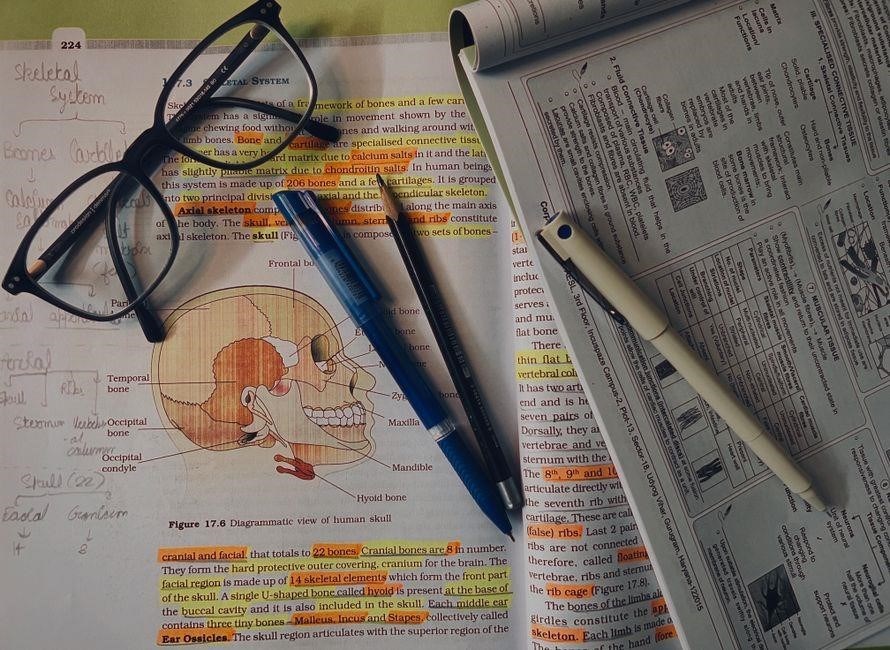
TestBeach offers a free TEAS practice test PDF in 2026‚ featuring 200 questions across Science‚ Math‚ Reading‚ and English․ Each question includes a concise explanation that highlights common misconceptions․ The PDF mirrors the official TEAS layout‚ with realistic timing guidelines and a detailed scoring rubric․ Students can download the file from TestBeach’s site․ The resource also provides a printable study schedule‚ test‑day strategy notes‚ and audio narration for accessibility․ Reviewing the answer key helps identify weak areas and improve overall performance!!
To maximize benefit‚ skim the PDF to gauge question distribution‚ then focus on sections where scores are lowest․ The Science portion covers Biology‚ Anatomy‚ and Chemistry fundamentals; Math includes Algebra‚ and Data Interpretation; Reading focuses on comprehension; English tests Grammar‚ Vocabulary‚ and Sentence Structure․ After completing the practice test‚ review each answer‚ noting patterns in mistakes․ The PDF also offers test‑taking strategies such as time management‚ educated guessing‚ and stress‑reduction techniques!!
StudyPedia Free PDF Resources
College Board Sample TEAS PDF
College Board’s free sample TEAS PDF offers a realistic snapshot of the exam’s format and difficulty․ The 200‑question document mirrors the official distribution across Science‚ Math‚ Reading‚ and English‚ and each item comes with a concise answer key and brief explanation․ The PDF layout matches the official test‚ featuring clearly labeled sections‚ page numbers‚ and a table of contents for easy navigation․ Students can use the sample to gauge readiness‚ spot knowledge gaps‚ and practice pacing by timing themselves within the 3‑hour window․ The resource is updated annually‚ ensuring alignment with the latest content standards and scoring rubric․ Downloading the PDF from the College Board website is free‚ and it can be printed or viewed on any device․ The sample also includes a study guide that outlines recommended resources‚ study strategies‚ and test‑day tips․ By integrating the sample into a structured study plan‚ students can build confidence‚ refine test‑taking skills‚ and increase their chances of achieving a high score on the official TEAS exam․ Additionally‚ the PDF contains a section on test‑day logistics‚ covering identification requirements‚ allowed materials‚ and accommodation procedures․ It also answers frequently asked questions about the online test portal and time‑management tactics․ Reviewing these details ahead of the exam reduces uncertainty and lets students focus on content mastery․ The free availability of the College Board sample PDF removes financial barriers‚ making high‑quality preparation accessible to all aspiring nursing professionals․ Students who review this sample will find their test anxiety reduced‚ allowing them to perform at their best today!

TEAS Section Breakdown

Explore the free TEAS study guide PDF master each section: Science covers biology‚ chemistry‚ and physics; Math includes algebra‚ geometry‚ and data analysis; Reading tests comprehension and critical thinking; English evaluates grammar‚ usage‚ and sentence structure․ Use this guide to focus study․
Science Section Topics
Use the free TEAS study guide PDF to master the science portion․ The section covers biology‚ chemistry‚ physics‚ and health science fundamentals․ Biology topics include cell structure‚ genetics‚ physiology‚ and ecology․ Chemistry focuses on atomic structure‚ periodic trends‚ chemical reactions‚ and stoichiometry․ Physics questions test motion‚ force‚ energy‚ and simple circuits․ Health science explores anatomy‚ nutrition‚ pharmacology‚ and patient care․ Practice with the TestBeach free PDF‚ which offers detailed explanations and real‑world scenarios․ Review key formulas‚ diagrams‚ and terminology․ The PDF also includes sample questions that mirror the exam’s difficulty․ By studying these topics‚ students can build confidence and improve accuracy․ Use the free resource to identify weak areas‚ track progress‚ and refine test‑taking strategies․ Consistent review of the science content will help you achieve a higher score on the TEAS exam․ The PDF daily provides keys with explanations‚ helping you understand for choice for each․ It also includes interactive practice quizzes that adapt to your performance‚ highlighting areas that need extra attention․ Students can download the PDF to a tablet or laptop‚ making it easy to study on the go․ The free resource aligns with the latest TEAS exam updates‚ ensuring that the content reflects current standards․ By reviewing these materials regularly‚ you’ll develop a solid foundation that translates into higher test scores!
Math Section Topics
Use the free TEAS study guide PDF to master the math portion of the exam․ The PDF covers arithmetic‚ algebra‚ geometry‚ data analysis‚ and basic statistics․ Arithmetic includes whole numbers‚ fractions‚ decimals‚ percentages‚ and ratios․ Algebra focuses on linear equations‚ inequalities‚ functions‚ and algebraic expressions․ Geometry covers shapes‚ area‚ perimeter‚ volume‚ and coordinate geometry․ Data analysis includes interpreting tables‚ graphs‚ and charts‚ as well as calculating mean‚ median‚ mode‚ and range․ Basic statistics covers probability‚ standard deviation‚ and normal distribution concepts․ The free PDF provides step‑by‑step solutions‚ key formulas‚ and practice problems that mirror the exam’s difficulty․ By working through the sample questions‚ students can identify weak areas and reinforce concepts․ The PDF also includes timed practice sections to simulate test conditions․ Regular review of the math content will improve speed and accuracy․ Use the interactive features of the PDF to track progress and focus on high‑yield topics․ The free resource aligns with the latest TEAS exam updates‚ ensuring that the content reflects current standards․ Consistent study with the PDF will help you build confidence and achieve a higher score on the math section of the TEAS exam․ Additionally‚ the PDF offers a glossary of key terms‚ an answer key with explanations‚ and a section on test‑taking strategies that emphasize time management‚ thinking‚ and reduction and rest techniques and test!․
Reading & English Section Topics
Leverage the free TEAS study guide PDF to conquer the Reading and English portion․ The PDF includes vocabulary‚ grammar‚ sentence structure‚ and reading comprehension passages․ Vocabulary sections cover root words‚ prefixes‚ suffixes‚ and context clues․ Grammar focuses on parts of speech‚ verb tense consistency‚ subject‑verb agreement‚ and punctuation rules․ Sentence structure drills include sentence fragments‚ run‑on sentences‚ and parallel structure․ Reading comprehension passages span health science‚ social science‚ and humanities․ Each passage is followed by multiple‑choice questions that test main idea‚ inference‚ detail‚ and author’s purpose․ The PDF provides answer keys with detailed explanations‚ allowing students to understand reasoning behind correct choices․ Time‑management strategies are embedded‚ encouraging practice under timed conditions to simulate the real exam․ Additionally‚ the PDF offers a glossary of key terms‚ a list of high‑frequency words‚ and a section on test‑taking strategies such as skimming‚ scanning‚ and annotating․ By systematically reviewing each topic and completing the practice questions‚ students can identify strengths and weaknesses‚ refine their reading speed‚ and improve accuracy․ The free resource aligns with the latest TEAS updates‚ ensuring content relevance․ Consistent use of the PDF will build confidence and boost scores in the Reading and English section․ Practice daily for success!

Utilizing the PDFs for Study

Download the free TEAS study guide PDF‚ print it‚ and create a study schedule․ Use color‑coded tabs for each section‚ annotate key points‚ and practice timed quizzes․ Review explanations‚ track progress‚ and revisit weak areas․ Consistent‚ focused study boosts confidence and scores․ for success
Downloading and Printing Tips
Begin by locating a reputable source such as the TestBeach free practice test PDF‚ StudyPedia’s free PDF resources‚ or the College Board sample TEAS PDF․ Click the download link and confirm the file size—most official PDFs range from 1․5 MB to 3 MB․ Use a reliable PDF viewer (Adobe Acrobat Reader‚ Foxit‚ or the browser’s built‑in viewer) to open the file․ Before printing‚ preview the document to ensure all pages display correctly and that the margins are set to the default 0․5‑inch․ For optimal study material‚ print on high‑quality paper and enable double‑sided printing to conserve paper and reduce clutter․ If you prefer digital notes‚ use the “Save as PDF” option after highlighting key sections‚ then annotate with a stylus or PDF editor․ Finally‚ keep a backup copy on a USB drive or cloud storage so you can access the guide from any device during exam preparation․ Remember to review each PDF section multiple times‚ using spaced repetition and flashcards‚ and schedule weekly practice sessions to reinforce retention and build confidence for the actual exam day․ Additionally‚ keep a study log to track progress and adjust strategies based on performance trends daily․
Active Review Techniques
When using free TEAS study guide PDFs‚ active review transforms passive reading into dynamic learning․ Start by scanning each PDF section—science‚ math‚ reading‚ and English—then immediately jot down key concepts in a separate notebook or digital note app․ Create flashcards for every term‚ formula‚ or reading comprehension strategy; the spaced‑repetition algorithm in tools like Anki or Quizlet ensures long‑term retention․ Next‚ simulate test conditions: set a timer‚ answer every question in the PDF‚ and record your score․ After completing a section‚ review incorrect answers in detail‚ noting why the correct choice was right and why the wrong ones were tempting․ This error‑analysis loop builds pattern recognition․ Incorporate active recall by covering answer options and attempting to answer before revealing the solution․ Pair this with dual coding: draw diagrams for biology pathways or algebraic relationships‚ then link them to the written explanation․ For reading passages‚ practice summarizing each paragraph in one sentence‚ then compare with the original to gauge comprehension depth․ Finally‚ schedule weekly review sessions‚ gradually reducing the time between revisits to leverage the forgetting curve․ Consistent‚ focused practice using the free PDF resources will solidify knowledge‚ boost confidence‚ and improve your TEAS score․ By consistently applying these active review strategies‚ students can identify knowledge gaps‚ reinforce learning‚ and approach the TEAS exam with confidence‚ ensuring overall success!!!!
Practice Question Strategies
Use the free TEAS study guide PDFs as a dynamic question bank․ Begin by categorizing questions into their four domains—science‚ math‚ reading‚ and English—to identify strengths and weaknesses․ For each domain‚ set a timer that matches the official exam pace (approximately 1․5 minutes per question)․ Answer every question without pausing; this trains endurance․ After completing a section‚ immediately review explanations for both correct and incorrect answers․ Highlight the reasoning behind each correct choice and note common pitfalls․ Create a “mistake log” where you record every error and the concept it relates to; revisit this log weekly to reinforce weak areas․ Employ the “question‑answer‑justification” method: write the question‚ answer it‚ then explain why the answer is correct in your own words․ This reinforces active recall․ When encountering multiple‑choice questions‚ practice the process of elimination—discard obviously wrong options first‚ then compare the remaining choices against the key concepts you’ve studied․ For reading passages‚ practice annotating the text: underline key facts‚ circle unfamiliar vocabulary‚ and write brief summaries in the margins․ After reading‚ answer the questions before reviewing the answers to simulate test conditions․ Finally‚ schedule spaced repetition sessions: revisit the same set of questions after 24 hours‚ then after 3 days‚ and again after a week․ This systematic approach ensures that practice questions become a powerful tool for mastering the TEAS exam․ Practice consistently‚ and your confidence will soar․ Your preparation will be thorough and effective․ Remember‚ consistent practice not only builds knowledge but also sharpens test‑taking strategies‚ turning nerves into confidence and confidence into highscore
Leave a Reply
You must be logged in to post a comment.