city of stars piano sheet pdf
City of Stars Piano Sheet PDF: A Comprehensive Guide
Discover readily available City of Stars piano sheet music in PDF format, offering options for various skill levels and arrangements from multiple online sources.
Understanding the Popularity of “City of Stars”
“City of Stars”, from the acclaimed film La La Land, resonated deeply with audiences due to its poignant lyrics and captivating melody. The song beautifully encapsulates the dreams and disappointments experienced while pursuing aspirations in a challenging city.
Its widespread appeal has fueled a significant demand for piano sheet music, allowing musicians of all levels to learn and perform this iconic piece. The availability of numerous PDF versions, ranging from simplified arrangements to complex solo performances, further contributes to its enduring popularity.
The song’s emotional depth and memorable tune make it a favorite for both casual players and seasoned pianists seeking to recreate the magic of La La Land.
The Composer and Lyricists: Justin Hurwitz, Benj Pasek, and Justin Paul
Justin Hurwitz composed the music for “City of Stars,” crafting a melody that perfectly complements the film’s emotional core. He collaborated with the acclaimed lyricist duo, Benj Pasek and Justin Paul, who penned the song’s evocative and relatable lyrics.
Their combined talent resulted in a piece that won numerous awards, including the Academy Award for Best Original Song. The success of “City of Stars” has driven demand for accurate piano sheet music transcriptions, reflecting the composers’ original intent.
Many PDF arrangements available online credit these creators, ensuring musicians can appreciate and learn from their artistry.
Availability of Sheet Music Formats
“City of Stars” piano sheet music is widely available in diverse formats to suit different pianists. Piano solo arrangements are the most common, allowing a single pianist to perform the complete piece. Accompaniment arrangements, however, focus on chords and rhythm, designed to support a vocalist or another instrument, omitting the main melody.
PDFs readily found online cater to these preferences. Websites like MuseScore and Sheetmusic-free offer both options. The choice depends on whether you intend a solo performance or collaborative rendition. High-resolution PDFs ensure clarity for easy reading and practice.
Piano Solo Arrangements
Piano solo arrangements of “City of Stars” are exceptionally popular, enabling a single pianist to capture the song’s emotional depth. These arrangements contain both the melody and harmonic accompaniment, presenting a complete musical experience without needing additional instruments.
OKTAV, MuseScore, and Sheetmusic-free.com all provide numerous solo versions, ranging in complexity. These PDFs often include detailed fingerings and expressive markings to aid performance. They are ideal for pianists wanting to learn the piece independently or perform it as a standalone piece, showcasing their skills.
Accompaniment Arrangements
Accompaniment arrangements of “City of Stars” are designed to support a vocalist or another instrument, providing a harmonic foundation rather than a complete solo piece. Typically, these PDFs focus on chords and rhythmic patterns, omitting the main melody line.
These arrangements are perfect for singers wanting piano support or duets. Sources like OKTAV offer these versions, catering to musicians who prefer collaborative performances. They allow for creative interpretation and personalization, letting the vocalist shine while the piano provides a rich, supportive texture.
Where to Find “City of Stars” Piano Sheet Music PDFs
Numerous online platforms host “City of Stars” piano sheet music in PDF format. MuseScore.com provides a vast library of free, community-submitted arrangements, offering options for piano, guitar, and flute. Sheetmusic-free.com also offers free downloads, including piano arrangements by RowanMusic.
OKTAV presents a subscription-based service with high-resolution PDFs and lifetime access, including a free initial week. These websites provide diverse versions, from solo piano to accompaniment tracks, catering to different skill levels and musical preferences. Exploring these resources unlocks a wealth of options for learning and performing this beloved song.
MuseScore.com
MuseScore.com stands as a prominent platform for accessing free “City of Stars” sheet music in PDF format. It boasts a large community of creators, composers, and musicians who share their arrangements. Users can download and print sheet music for piano, guitar, flute, and more, all contributed by fellow music enthusiasts.
The platform features arrangements for varying skill levels, allowing beginners and experienced pianists alike to find suitable versions. Official versions and user-created interpretations are available, offering diverse options for learning and performing this iconic piece from La La Land.
Sheetmusic-free.com
Sheetmusic-free.com provides access to “City of Stars” piano sheet music, offering a downloadable PDF version of the arrangement for La La Land. Composed by Justin Hurwitz and arranged by RowanMusic, this version is readily available for pianists seeking to learn the song. The site features a piano arrangement labeled as version 5, indicating potential revisions or updates.
The sheet music includes musical notation with time signatures and chord progressions, allowing musicians to accurately recreate the song’s beautiful melody. It’s a valuable resource for those looking for free, accessible sheet music online.
OKTAV
OKTAV offers “City of Stars” piano sheet music from La La Land, composed by Justin Hurwitz, available as a high-resolution PDF file. A key feature is a free one-week trial period, allowing users to explore the sheet music before committing to a subscription, which can be canceled at any time.
OKTAV distinguishes between Piano Solo arrangements – designed for a single pianist to perform the entire piece – and Accompaniment arrangements, intended to support a vocalist or other instrument with chords and rhythm.
Free vs. Paid Sheet Music Options
Exploring “City of Stars” piano sheet music reveals a spectrum of options, ranging from free resources like MuseScore.com, offering community-submitted arrangements, to paid platforms such as OKTAV, providing high-resolution, professionally prepared PDFs.
Free options may vary in accuracy and completeness, potentially requiring some editing or adaptation. Paid versions generally guarantee higher quality, detailed notation, and often include additional features like playback capabilities and different arrangement styles. The choice depends on your skill level, budget, and desired level of accuracy.
Sheet Music Difficulty Levels
“City of Stars” sheet music caters to diverse piano skill levels. Beginner arrangements simplify the chords and melody, often omitting complex harmonies, making it accessible for those new to piano. Intermediate versions retain more of the original song’s harmonic richness, introducing more challenging chord progressions and rhythms.
Advanced arrangements present the complete score, demanding proficient technique and musicality. These versions often include intricate voicings and embellishments. Selecting the appropriate level ensures a rewarding learning experience, fostering progress and enjoyment while mastering this beautiful piece.
Beginner Arrangements
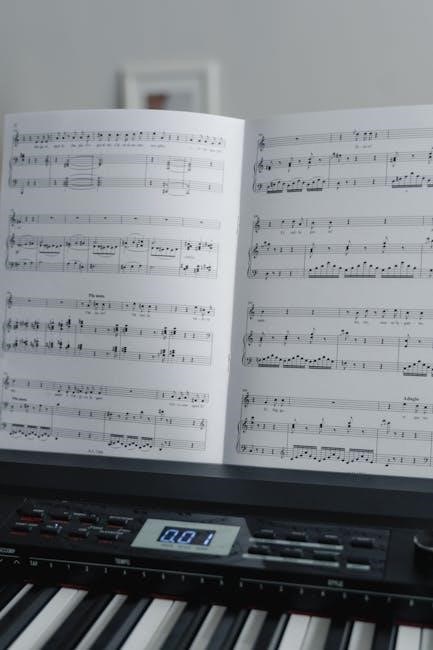
Beginner arrangements of “City of Stars” prioritize simplicity, utilizing basic chord shapes and simplified rhythms. These versions often feature the melody in the right hand and straightforward accompaniment in the left. Complex harmonies and intricate passages are omitted, focusing on foundational piano skills.
Sheet music for beginners typically includes larger notation and clear fingerings to aid learning. These arrangements are ideal for those with limited piano experience, allowing them to quickly grasp the song’s essence and build confidence. They provide a stepping stone towards tackling more challenging versions.
Intermediate Arrangements
Intermediate piano sheet music for “City of Stars” introduces more complex chord voicings and rhythmic patterns than beginner versions. These arrangements often incorporate some of the song’s original harmonic richness, though still simplified for accessibility. Players will encounter more challenging hand coordination requirements and a greater emphasis on dynamics.
Expect to see more detailed notation, including pedal markings and subtle phrasing cues. Intermediate players should possess a solid understanding of basic music theory and piano technique. These arrangements bridge the gap between simplified versions and the full, original score, offering a rewarding challenge.
Advanced Arrangements
Advanced “City of Stars” piano sheet music replicates the song’s intricate beauty with complete accuracy. These arrangements demand a high level of technical proficiency, including complex chord inversions, sophisticated rhythmic figures, and nuanced pedaling. Expect to encounter the full harmonic palette of Justin Hurwitz’s composition.
Players should be comfortable with advanced music theory concepts and possess excellent sight-reading skills. These scores often include detailed dynamic markings and expressive phrasing, requiring a sensitive and interpretive approach. Mastering these arrangements provides a truly immersive and rewarding musical experience, mirroring the original soundtrack’s depth.
Key Elements of the Sheet Music
Analyzing “City of Stars” sheet music reveals crucial elements for accurate performance. The time signature is typically 4/4, establishing a moderate tempo that evokes a dreamy atmosphere. Chord progressions are richly harmonic, featuring jazz-influenced voicings and subtle modulations;
The melody, beautifully lyrical, intertwines with a supportive harmonic structure. Understanding the interplay between melody and harmony is vital. Pay close attention to dynamic markings and phrasing indications to capture the song’s emotional depth. These elements, when mastered, unlock the song’s poignant beauty for pianists.
Time Signature and Tempo
Examining the “City of Stars” sheet music, the standard time signature is 4/4, providing a familiar rhythmic framework. The tempo is generally moderate, often around 66-72 beats per minute, contributing to the song’s wistful and reflective mood.
However, interpretations can vary slightly. Some arrangements might suggest a rubato feel, allowing for expressive flexibility in pacing. Accurately maintaining the tempo and understanding its subtle nuances are essential for conveying the song’s emotional core. Careful attention to these details enhances the overall musicality.
Chord Progressions
Analyzing the “City of Stars” sheet music reveals a beautiful and emotionally resonant chord progression. Common chords include variations of A major, E major, F# minor, and D major, creating a harmonic landscape that’s both familiar and subtly complex.
The progression often features inversions and passing chords, adding depth and color to the accompaniment. Mastering these chord changes is crucial for capturing the song’s melancholic yet hopeful atmosphere. Recognizing the harmonic structure allows pianists to improvise and personalize their performance, enhancing the musical expression.
Melody and Harmony
The melody of “City of Stars” is characterized by its lyrical and flowing quality, perfectly complementing the harmonic foundation. Sheet music displays a clear and accessible melodic line, often with expressive phrasing markings.
The harmony supports the melody with rich voicings and subtle chord changes, creating a sense of longing and vulnerability. Pianists should pay attention to the interplay between the melody and harmony, ensuring a balanced and nuanced performance. Understanding how the melody interacts with the chords is key to conveying the song’s emotional depth.
Understanding Musical Notation in the Sheet Music
Decoding the sheet music requires familiarity with standard musical symbols. Key signatures indicate sharps or flats, influencing the notes played. Time signatures define the rhythm, dictating beats per measure. Note values (whole, half, quarter) determine duration, while rests signify silence.
Dynamic markings (p for piano, f for forte) guide volume control. Articulation marks like staccato or legato shape phrasing. Pay attention to repeat signs and codas for efficient navigation. Understanding these elements unlocks accurate interpretation and a polished performance of “City of Stars.”
Different Versions and Arrangements Available
Numerous arrangements of “City of Stars” cater to diverse pianist abilities. The Original Movie Soundtrack Version presents the complete score, demanding advanced skills. Simplified Versions, designed for beginners, reduce complexity with easier chords and rhythms.
Piano Solo arrangements allow a single pianist to perform the entire piece, while Accompaniment Arrangements focus on chords supporting a vocalist or instrument. Websites like MuseScore and Sheetmusic-free.com offer varied transcriptions, including those for piano, guitar, and flute, ensuring a suitable option for every musician.
Original Movie Soundtrack Version
The Original Movie Soundtrack Version of “City of Stars” sheet music represents the complete and complex arrangement as heard in La La Land. This version faithfully reproduces Justin Hurwitz’s intricate composition, demanding a high level of piano proficiency.
Expect challenging chord progressions, nuanced dynamics, and a full harmonic texture. It’s best suited for advanced pianists comfortable with complex rhythms and expressive phrasing. Obtaining this version provides an authentic performance experience, capturing the song’s emotional depth and cinematic quality, though it requires significant practice and skill.
Simplified Versions for Beginners
For aspiring pianists, Simplified Versions of “City of Stars” offer an accessible entry point to learning this beautiful piece. These arrangements typically feature easier chord voicings, reduced rhythmic complexity, and a focus on the core melody.
They often omit some of the original’s harmonic richness, prioritizing playability for those with limited experience. Beginner-friendly sheet music often includes lettered notes or color-coded chords, aiding in quick comprehension. These versions allow new players to enjoy the song’s essence while building fundamental piano skills and confidence.
Printing and Accessing PDF Sheet Music
Accessing “City of Stars” piano sheet music PDFs is straightforward. Once downloaded from platforms like MuseScore, Sheetmusic-free, or OKTAV, open the file with a PDF reader – Adobe Acrobat Reader is a popular choice;
For printing, ensure your printer settings are correct for optimal sheet size and quality. Many PDFs are designed for standard 8.5 x 11-inch paper. Consider printing in grayscale to save ink. Digital access allows for zooming and annotation, enhancing the learning experience. Always respect copyright when distributing or sharing downloaded PDFs.
Software for Viewing and Playing PDF Sheet Music
Several software options enhance the experience of using “City of Stars” piano sheet music PDFs. Adobe Acrobat Reader is a standard, offering basic viewing and printing. ForScore, popular among musicians, allows annotation and organization of sheet music on tablets.
Apps like Sheet Music Scanner can convert physical sheet music into digital PDFs. Some Digital Audio Workstations (DAWs) also support PDF import for playback and practice. Utilizing these tools streamlines learning, enabling features like looping sections and adjusting tempo for effective practice sessions.
Legality and Copyright Considerations
When accessing “City of Stars” piano sheet music PDFs, respecting copyright is crucial. Downloading from unauthorized sources constitutes infringement. Officially licensed platforms like MuseScore and OKTAV offer legal options, often with subscription or purchase models.
Free PDFs found on some websites may lack proper licensing, posing legal risks. Always verify the source’s legitimacy before downloading. Supporting composers and publishers through legal channels ensures continued music creation and availability. Understanding copyright protects artists’ rights and fosters a sustainable musical ecosystem.
Tips for Learning “City of Stars” on Piano
Mastering “City of Stars” requires focused practice. Begin slowly, prioritizing accurate hand coordination, especially during complex chord changes. Break down sections into smaller, manageable parts. Utilize a metronome to maintain consistent tempo and rhythm.
Pay close attention to the melody and harmony, listening to the original recording for phrasing cues. Don’t rush the learning process; gradual progression builds a solid foundation. Consider online tutorials for guidance on specific techniques and challenging passages. Consistent, deliberate practice yields the best results.
Practicing Hand Coordination
Effective hand coordination is crucial for “City of Stars.” Start by practicing each hand separately until comfortable with its individual part. Then, slowly combine them, focusing on synchronizing rhythms and finger movements.

Use exercises that isolate specific coordination challenges within the piece. Pay attention to where hands play simultaneously versus independently. Consistent, slow practice builds muscle memory and improves fluidity. Consider using a metronome to ensure both hands stay aligned rhythmically, gradually increasing the tempo as proficiency grows.
Mastering the Chord Changes
“City of Stars” features beautiful, yet sometimes complex, chord progressions. Begin by isolating chord changes, practicing transitions slowly and deliberately. Focus on smooth finger placement and minimizing pauses between chords.
Utilize chord diagrams and practice inversions to enhance fluidity. Break down challenging sections into smaller segments, mastering each before combining them. Pay close attention to the harmonic rhythm and how the chords support the melody. Consistent practice will build muscle memory, allowing for effortless and expressive chord changes.
Resources for Piano Tutorials and Lessons
Numerous online platforms offer piano tutorials specifically for “City of Stars.” YouTube hosts a wealth of free lessons, ranging from beginner-friendly walkthroughs to advanced performance guides. MuseScore.com often features user-created tutorials alongside sheet music.
Consider exploring websites like Flowkey or Skoove for interactive lessons that provide real-time feedback. Private piano teachers can also offer personalized instruction tailored to your skill level. These resources will accelerate your learning and help you achieve a polished performance of this captivating piece.
Additional La La Land Sheet Music Availability
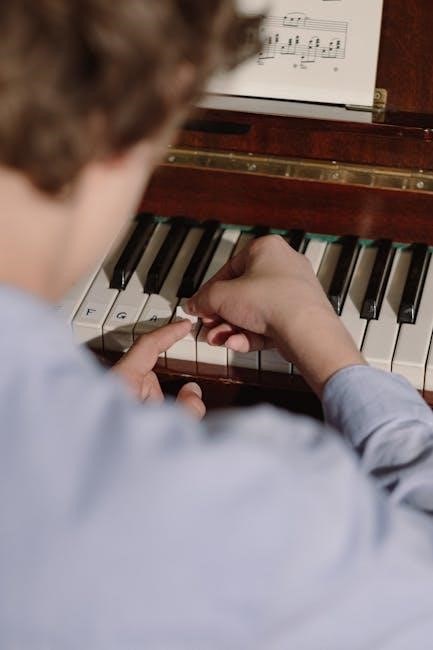
Beyond “City of Stars,” the La La Land soundtrack offers a rich selection of piano sheet music. MuseScore.com and Sheetmusic-free.com provide free PDFs for pieces like “Another Day of Sun,” “Mia & Sebastian’s Theme,” and “Audition (The Fools Who Dream).”
Paid options, often with higher-quality arrangements, are available on platforms like Musicnotes.com and through authorized retailers. These sites frequently offer various arrangements – solo piano, vocal accompaniment, and even ensemble versions – catering to diverse musical preferences and skill levels. Explore these resources to expand your La La Land repertoire!
Leave a Reply
You must be logged in to post a comment.