homage to catalonia pdf
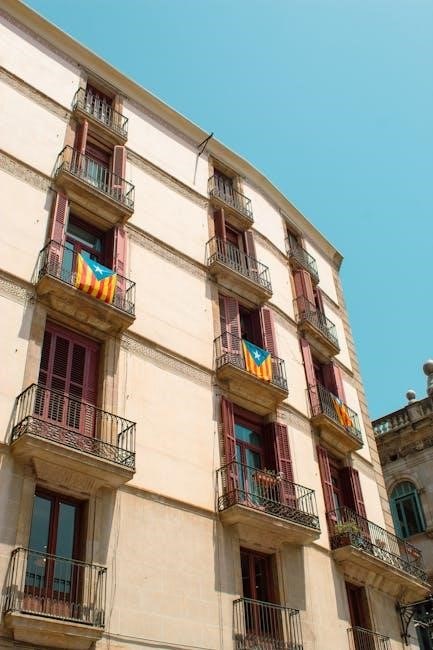
“Homage to Catalonia,” by George Orwell, is readily available as a PDF, offering accessible insight into the Spanish Civil War and Orwell’s personal experiences.
Historical Context of the Spanish Civil War
The Spanish Civil War (1936-1939) was a brutal conflict born from deep-seated political and social divisions within Spain. A rising tide of leftist ideologies – socialism, communism, and anarchism – clashed violently with conservative forces, including the military, the Church, and landowners. The democratically elected Republican government, supported by these leftist groups, faced a military uprising led by General Francisco Franco and backed by fascist Italy and Nazi Germany.
This war became a proxy conflict for broader European tensions, foreshadowing World War II. Orwell’s “Homage to Catalonia” provides a firsthand account of fighting alongside the POUM (Workers’ Party of Marxist Unification), a revolutionary socialist party, on the Aragon front. Understanding this complex historical backdrop is crucial for interpreting Orwell’s observations and disillusionment detailed within the PDF version of his memoir.
George Orwell’s Involvement
George Orwell, a committed socialist, journeyed to Spain in December 1936, driven by a desire to participate in the defense of the Spanish Republic against Franco’s fascist forces. He joined the POUM militia, believing they represented genuine revolutionary ideals. His experiences on the Aragon front, fighting in trenches and witnessing the realities of war, profoundly shaped his political views.
“Homage to Catalonia,” available as a PDF, details his six months in Spain. Orwell wasn’t merely a soldier; he was an observer, meticulously documenting the political infighting and ideological clashes within the Republican ranks. His wounding and subsequent escape from Spain provided the material for this powerful and personal account, offering a critical perspective on the war’s complexities.
Understanding the PDF Format & Availability
The PDF format ensures “Homage to Catalonia” is widely accessible, preserving the text’s original layout for easy reading and distribution across devices.
Where to Find Legitimate PDF Copies
Locating authentic PDF versions of “Homage to Catalonia” requires careful navigation. Project Gutenberg is a reliable source, offering free ebooks, including Orwell’s work, in various formats like PDF. Many university libraries also provide digital access to the book for students and researchers through their online databases.
Furthermore, legitimate online bookstores, such as those specializing in classic literature, often sell official PDF copies. Be cautious of websites offering free downloads from unofficial sources, as these may contain malware or incomplete versions. Prioritizing established platforms ensures a safe and high-quality reading experience, respecting copyright and supporting authors.
Potential Risks of Downloading from Unofficial Sources
Downloading “Homage to Catalonia” PDFs from unverified websites carries significant risks. These sources frequently harbor malware, viruses, and spyware, potentially compromising your device and personal data. Illegitimate PDFs may also be incomplete, corrupted, or contain inaccurate text, hindering comprehension and research.
Furthermore, accessing copyrighted material through unofficial channels is illegal and unethical, undermining the author’s rights and the publishing industry. Supporting legitimate sources ensures quality, security, and ethical access to literature. Always prioritize trusted platforms to avoid these pitfalls and enjoy a safe, reliable reading experience.
Copyright and Legal Considerations
“Homage to Catalonia” remains protected by copyright, even in PDF format. Downloading or distributing unauthorized copies constitutes copyright infringement, potentially leading to legal repercussions. Public domain status varies by country; however, most editions require permission for reproduction or widespread sharing.
Accessing the work through legitimate channels – purchasing from authorized retailers or utilizing library resources – ensures compliance with copyright law. Respecting intellectual property rights supports authors and fosters a sustainable literary ecosystem. Always verify the source’s legitimacy before downloading to avoid legal issues and ethical concerns.
Content Overview: Key Themes & Chapters
“Homage to Catalonia” details Orwell’s experiences fighting in the Spanish Civil War, exploring themes of political disillusionment and revolutionary struggle.
Chapter 1-3: Journey to Spain & Initial Impressions
These initial chapters chronicle Orwell’s arrival in Barcelona in December 1936, driven by a desire to join the fight against fascism. He vividly portrays the atmosphere of revolutionary fervor and the initial optimism he felt witnessing a society attempting to build a socialist utopia.
Orwell details the process of joining the POUM militia, a Trotskyist faction, and his immediate impressions of the camaraderie and dedication of the fighters. He observes the stark contrast between the revolutionary spirit of the working class and the bureaucratic tendencies emerging within the Republican government.
The early chapters establish Orwell’s commitment to the cause and set the stage for his later disillusionment as political complexities unfold.
Chapter 4-7: Life on the Aragon Front
These chapters immerse the reader in the realities of trench warfare on the Aragon front. Orwell provides a detailed and unflinching account of the daily routines, the boredom, the fear, and the occasional bursts of intense fighting. He emphasizes the surprisingly democratic and egalitarian nature of life within the POUM militia, where officers were elected and class distinctions blurred.
He describes the poor conditions, lack of supplies, and the constant threat of enemy attacks, yet also highlights the resilience and good humor of the soldiers. Orwell’s observations reveal a stark contrast between the front lines and the political maneuvering occurring in Barcelona.
Chapter 8-10: Political Intrigue & Shifting Alliances
These pivotal chapters document the escalating political tensions within the Republican forces. Orwell witnesses firsthand the growing power struggle between the various factions, particularly the Communist-led PSUC and the POUM. He details the increasing Soviet influence and the systematic suppression of dissenting voices, including accusations of Trotskyism leveled against the POUM.
The narrative reveals a disturbing shift in alliances, as the initial unity of the front crumbles under the weight of ideological conflict. Orwell expresses growing disillusionment as he observes the manipulation of truth and the prioritization of political power over genuine revolutionary ideals.
Chapter 11-12: The Barcelona May Days
These chapters vividly recount the violent clashes in Barcelona in May 1937, a turning point in Orwell’s understanding of the Spanish Civil War. He describes the street fighting between the POUM and the government forces, orchestrated by the PSUC with support from the Soviet NKVD. Orwell and his comrades find themselves caught in the crossfire, witnessing the brutal suppression of workers’ militias.
The “May Days” expose the betrayal of the initial revolutionary spirit, as the Stalinists consolidate their control and dismantle any opposition. Orwell’s account is a harrowing depiction of political betrayal and the descent into authoritarianism, solidifying his disillusionment.
Chapter 13-14: Orwell’s Wounding & Escape
These final chapters detail Orwell’s harrowing experience of being shot through the throat while fighting on the Aragon front. He recounts the agonizing pain and the inadequate medical care available, highlighting the chaotic conditions of the war. Following his recovery, Orwell and his wife Eileen are forced to flee Spain, fearing arrest by the authorities due to his association with the POUM.
Their escape is a tense and precarious journey, undertaken under assumed identities. Orwell’s reflections on his experiences solidify his anti-Stalinist stance and his commitment to democratic socialism, marking a poignant conclusion to his Spanish adventure.
Analyzing Orwell’s Perspective
Orwell’s viewpoint within “Homage to Catalonia” is deeply shaped by his socialist beliefs and subsequent disillusionment with the political realities he witnessed.
Orwell’s Socialist Ideals & Disillusionment
Initially, Orwell arrived in Spain with firm socialist convictions, eager to participate in a revolution defending democracy against fascism. He genuinely believed in a classless society and the power of collective action, joining the POUM militia with idealistic fervor. However, his experiences quickly shattered these beliefs.
The brutal infighting between various Republican factions – particularly the conflict between the POUM and the Stalinist-backed PSUC – deeply disillusioned him. Orwell witnessed firsthand how ideological purity and power struggles overshadowed the common goal of defeating Franco. The Soviet influence and the suppression of dissenting voices within the Republican ranks horrified him, leading to a profound critique of Stalinism.
“Homage to Catalonia” meticulously documents this shift, showcasing Orwell’s growing skepticism towards centralized control and the manipulation of truth for political gain. His initial hopes for a genuine socialist revolution were replaced by a stark realization of the complexities and betrayals inherent in political ideologies.
The Portrayal of Political Factions (POUM, PSUC, CNT-FAI)
Orwell’s “Homage to Catalonia” offers a nuanced, yet critical, portrayal of the key political factions involved in the Spanish Civil War. He presents the POUM (Workers’ Party of Marxist Unification) as principled but ultimately marginalized, highlighting their commitment to revolutionary ideals and independent thought.
In stark contrast, the PSUC (Unified Socialist Party of Catalonia), backed by the Soviet Union, is depicted as dogmatic and focused on consolidating power, often through ruthless suppression of opposition. Orwell details their propaganda and attempts to discredit the POUM. The CNT-FAI, an anarchist organization, is shown as embodying genuine revolutionary spirit but lacking the organizational structure for effective long-term governance.
Through these portrayals, Orwell exposes the internal divisions and ideological clashes that weakened the Republican cause, ultimately contributing to its defeat.
Critique of Stalinism and Soviet Influence
“Homage to Catalonia” serves as a powerful critique of Stalinism and the detrimental influence of the Soviet Union on the Spanish Civil War. Orwell meticulously details how the Communist International, directed by Moscow, actively undermined the revolutionary potential of the conflict.
He exposes the Soviet-backed PSUC’s systematic suppression of dissenting socialist groups like the POUM, falsely accusing them of being fascist collaborators. Orwell argues this was a deliberate strategy to consolidate power and impose a Moscow-aligned political agenda.
His firsthand account reveals the pervasive propaganda, censorship, and political purges orchestrated by Stalin’s agents, ultimately hindering the Republican cause and betraying the initial revolutionary ideals of the war.
The Significance of “Homage to Catalonia”
This work profoundly impacts our understanding of the Spanish Civil War, showcasing Orwell’s literary skill and remaining relevant to modern political discourse.
Its Impact on Historical Understanding of the Spanish Civil War
Orwell’s firsthand account provides a crucial, ground-level perspective often absent from traditional historical narratives. “Homage to Catalonia” moves beyond strategic overviews, detailing the realities faced by ordinary participants – particularly those within the POUM militia. It challenges romanticized portrayals, exposing the internal conflicts and political machinations that plagued the Republican side.
The PDF format allows wider access to this vital historical document, enabling researchers and general readers alike to engage with Orwell’s observations. By detailing the disillusionment with Stalinist influence and the suppression of dissenting voices, the book offers a nuanced understanding of the war’s complexities, prompting critical re-evaluation of established interpretations and fostering a more complete historical picture.
Orwell’s Literary Style and Narrative Techniques
Orwell’s prose in “Homage to Catalonia” is characterized by its stark clarity and unflinching honesty, a style perfectly suited to conveying the brutal realities of war. The PDF format preserves this directness, allowing readers to experience the narrative’s immediacy. He masterfully blends personal memoir with political analysis, creating a compelling and deeply affecting account.
His use of concrete detail and avoidance of ideological jargon contribute to the book’s enduring power. Orwell’s narrative technique prioritizes showing over telling, immersing the reader in the sights, sounds, and smells of the conflict. This accessible style, readily available in the PDF version, ensures the book’s continued relevance and impact on literary and historical audiences.
The Book’s Relevance to Contemporary Political Issues
“Homage to Catalonia,” accessible as a PDF, remains strikingly relevant today, offering crucial insights into the dangers of totalitarianism and the manipulation of truth. Orwell’s warnings against unchecked power, ideological rigidity, and the distortion of language resonate deeply in an era of misinformation and political polarization.
The book’s exploration of factionalism within leftist movements serves as a cautionary tale against internal divisions that can undermine progressive causes. Studying the PDF allows for focused analysis of Orwell’s prescient observations, prompting critical reflection on contemporary political landscapes and the ongoing struggle for genuine democracy.
Exploring Related Resources
Delve deeper into Orwell’s world with biographies, academic articles, and documentaries about the Spanish Civil War, complementing the PDF’s insights.
Biographies of George Orwell
Understanding Orwell’s life profoundly enriches the reading of “Homage to Catalonia.” Several comprehensive biographies detail his formative years, his experiences fighting in the Spanish Civil War – directly informing the PDF’s content – and his evolution into a prominent literary and political voice.
Notable biographies include those by Bernard Crick, offering a scholarly and detailed account, and Peter Davison’s edition of Orwell’s collected essays and letters, providing primary source material. These resources illuminate the personal convictions and disillusionments that shaped Orwell’s perspective, crucial for interpreting the nuances within the “Homage to Catalonia” PDF. Exploring his broader life context enhances appreciation for the book’s enduring relevance.
Academic Articles & Literary Criticism
Delving into academic analyses significantly deepens understanding of “Homage to Catalonia” and its PDF iterations. Scholarly articles dissect Orwell’s political motivations, his portrayal of the Spanish Civil War’s complexities, and the book’s lasting impact on historical interpretations.
Critical essays often explore Orwell’s stylistic choices, his nuanced depiction of ideological conflicts (POUM vs. Stalinists), and the work’s relevance to contemporary political discourse. Databases like JSTOR and Project MUSE offer a wealth of peer-reviewed research. Examining these critiques provides valuable context when engaging with the “Homage to Catalonia” PDF, revealing layers of meaning beyond the initial narrative.
Documentaries and Films about the Spanish Civil War
Complementing the “Homage to Catalonia” PDF, several documentaries and films vividly portray the historical backdrop of Orwell’s experiences. These visual resources offer crucial context, showcasing the war’s brutal realities and the political climate that shaped Orwell’s perspective.
Notable examples include “Libertad” (1996) and “The Spanish Earth” (1937), the latter featuring narration by Ernest Hemingway. These films depict the struggles of the Republican forces and the impact of the conflict on Spanish society. Watching these alongside reading the PDF enhances comprehension and provides a more immersive understanding of the events Orwell witnessed and documented.
PDF Specific Features & Accessibility
Digital “Homage to Catalonia” PDFs offer convenient features like searchable text, adjustable font sizes, and compatibility with screen readers for enhanced accessibility.
Searchability and Text Extraction
A key advantage of accessing “Homage to Catalonia” in PDF format lies in its enhanced searchability. Readers can quickly locate specific passages, names, or themes within the text using keyword searches, facilitating in-depth study and research. This feature is invaluable for academic purposes or for revisiting particular moments in Orwell’s narrative.
Furthermore, the PDF allows for easy text extraction. Users can copy and paste excerpts for quotations, analysis, or inclusion in other documents. This capability streamlines the process of engaging with the text and incorporating it into scholarly work or personal notes, making the PDF a versatile tool for readers and researchers alike.
Font Size and Readability Options
Digital PDF versions of “Homage to Catalonia” offer customizable font sizes, catering to individual reading preferences and visual needs. Users can easily adjust the text to a comfortable size, enhancing readability and reducing eye strain during extended reading sessions. This flexibility is particularly beneficial for those with visual impairments or who prefer larger text formats.
Beyond font size, many PDF readers provide options to adjust screen brightness, contrast, and background color. These features further optimize readability, allowing readers to tailor the display to their environment and personal comfort. Such customizable options ensure a more accessible and enjoyable reading experience for all.
Accessibility for Visually Impaired Readers
PDF versions of “Homage to Catalonia” can be significantly enhanced for visually impaired readers through assistive technologies. Screen readers, for example, can convert the text into speech, allowing users to listen to the book rather than read it. This feature is crucial for individuals with blindness or severe visual impairments.
Furthermore, many PDF readers support text-to-speech functionality natively, while others are compatible with external screen reader software. Properly tagged PDFs, with defined headings and structural elements, improve the accuracy and navigation within screen readers, providing a seamless and accessible reading experience. Ensuring PDF accessibility is vital for inclusivity.

Homage Brand & Related Merchandise
HOMAGE offers comfortable, vintage-inspired apparel, including the “Go-To Tee,” alongside sports merchandise for teams like the Bears and Rangers.
HOMAGE Go-To Tee and Apparel
HOMAGE’s signature “Go-To Tee” is celebrated for its exceptional comfort and soft, all-day wearability. This isn’t merely a claim; it’s the brand’s established standard for quality. Constructed to accommodate HOMAGE gear, the apparel is designed for relaxed, easygoing comfort and maintains a true-to-size fit.
Crafted from a premium soft cotton blend, these pieces may experience slight shrinkage after washing, so cold water washing and tumble drying are recommended. Beyond the tee, HOMAGE provides a diverse range of apparel, consistently prioritizing both style and a supremely comfortable experience for every customer. It’s everyday comfort elevated.
HOMAGE Sports Apparel (Bears, Rangers)
HOMAGE offers a robust collection of officially licensed, vintage-inspired sports apparel, prominently featuring the Chicago Bears and the Texas Rangers. Their designs celebrate the legacy, pride, and passion associated with these iconic franchises. Customers can explore a variety of styles, including comfortable t-shirts, cozy sweatshirts, and warm hoodies, all showcasing unique Rangers and Bears graphics.
These pieces aren’t just merchandise; they’re tributes to team history. HOMAGE consistently delivers super-soft, high-quality apparel, appealing to devoted fans seeking both comfort and a stylish way to represent their favorite teams. It’s a celebration of sports heritage.
Vintage-Inspired Designs and Comfort
HOMAGE distinguishes itself through a commitment to crafting apparel with both retro aesthetics and exceptional comfort. Their designs draw inspiration from iconic moments in sports and pop culture, resulting in unique and nostalgic graphics. This isn’t simply about replicating the past; it’s about reimagining it with a modern sensibility.
The brand prioritizes premium fabrics, ensuring each garment feels incredibly soft against the skin. HOMAGE gear is built for relaxed, easygoing wear, offering a comfortable fit that’s ideal for everyday life. They aim to provide the “softest graphic tees around,” blending style and wearability seamlessly.
“Homage to Catalonia” continues to resonate, offering valuable historical context and a compelling narrative, readily accessible through convenient PDF formats today.
Why “Homage to Catalonia” Remains Important Today
“Homage to Catalonia” retains its significance due to its unflinching portrayal of ideological conflict and the dangers of totalitarianism, themes tragically relevant in contemporary politics. The PDF format ensures wider accessibility to Orwell’s firsthand account of the Spanish Civil War, fostering a deeper understanding of historical events.
Its exploration of propaganda, political manipulation, and the suppression of truth serves as a crucial warning against similar tendencies observed globally. The book’s enduring power lies in its ability to challenge readers to critically examine power structures and defend democratic values. Accessing it as a PDF allows for easy study and dissemination of these vital lessons, ensuring Orwell’s message continues to inspire critical thought and resistance against injustice.
Further Research and Exploration
“Homage to Catalonia,” readily available as a PDF, sparks further inquiry into the Spanish Civil War and Orwell’s life. Explore biographies detailing his socialist ideals and literary evolution. Delve into academic articles and literary criticism analyzing the book’s political context and narrative techniques.
Investigate documentaries and films depicting the war’s complexities, offering visual complements to Orwell’s written account. Examining related resources enhances comprehension of the historical backdrop and Orwell’s personal disillusionment. The PDF’s accessibility facilitates comparative analysis with other primary and secondary sources, fostering a nuanced understanding of this pivotal historical moment and its lasting impact.
Leave a Reply
You must be logged in to post a comment.